Bring the Tropics Home: Designing a Luxury Orchid Garden Inspired by Your Favorite Island Escapes
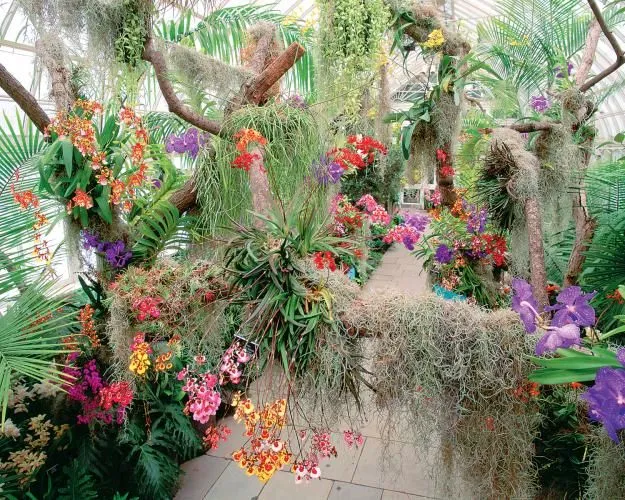
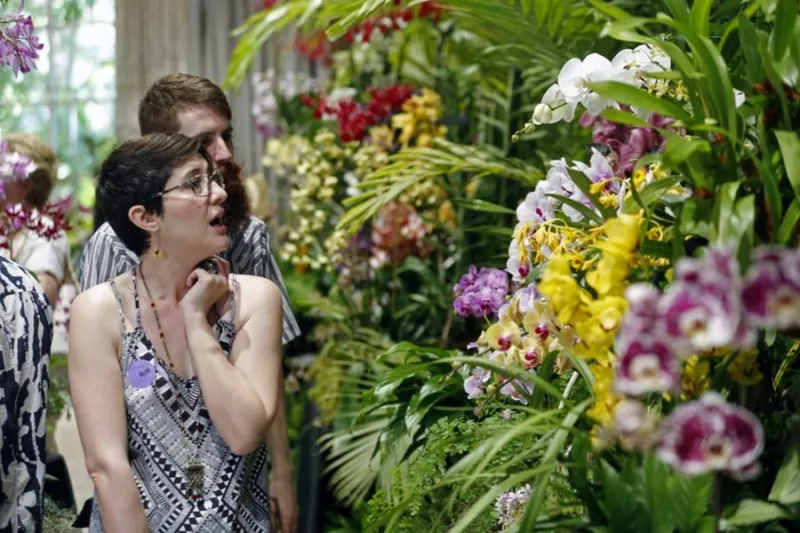
Photo: luxury tropical orchid garden home design indoor plants botanical, via i.pinimg.com
There is a particular kind of longing that settles in after returning from a tropical island destination — the kind that no amount of souvenir shopping can remedy. The orchid-laden terraces of Bali's Ubud region, the carefully curated botanical corridors of Martinique's Jardin de Balata, or the wild-growing Vanda orchids draped across Singapore's Henderson Waves — these sensory experiences become embedded in the traveler's memory. The question, for those who wish to carry that beauty home, is not whether it is possible to recreate it, but rather how to do so with intention, elegance, and horticultural integrity.
For the luxury traveler and botanical enthusiast based in the United States, the answer lies in thoughtful garden design, the careful selection of orchid species, and an understanding of the microclimates that allow tropical blooms to thrive far from their native latitudes.
Understanding the Aesthetic Language of Tropical Orchid Gardens
Before purchasing a single plant or breaking ground on a garden bed, it is worth studying the design philosophy that governs the world's most celebrated orchid landscapes. The Singapore Botanic Gardens, a UNESCO World Heritage Site, employs a layered planting strategy — canopy trees filter intense sunlight, while mid-story foliage creates humidity and shelter, and orchids occupy the understory or trail along elevated walkways. This architectural approach, rather than simply placing potted plants on a patio, is what distinguishes a true tropical garden from a casual arrangement.
Similarly, the gardens of the French Caribbean, particularly those found on Guadeloupe and Martinique, favor naturalistic compositions. Native orchids intermingle with heliconias, bromeliads, and philodendrons, creating a sense of wild abundance that is, in reality, carefully maintained. For American homeowners, translating this aesthetic means resisting the urge toward rigidity and instead embracing organic, flowing arrangements that suggest discovery.
Selecting the Right Orchid Species for Your Climate Zone
One of the most common misconceptions among aspiring home orchid gardeners is that tropical species require tropical climates to survive outdoors. While certain varieties do demand consistent warmth, a surprising number of orchids are adaptable to a range of North American conditions — provided they receive appropriate shelter and care.
For those residing in USDA Hardiness Zones 9 through 11 — which encompasses Southern California, South Florida, coastal Texas, and Hawaii — outdoor orchid cultivation is entirely feasible year-round. Dendrobium and Epidendrum species are particularly well-suited to these warmer regions, and both carry the lush, exotic character one associates with Caribbean and Southeast Asian gardens.
Residents of Zones 6 through 8, which include much of the Mid-Atlantic, the Pacific Northwest, and the Upper South, will find success with container gardening and seasonal outdoor display. Cymbidiums, for instance, tolerate cooler temperatures with remarkable resilience and produce the kind of dramatic, long-lasting flower spikes that anchor a sophisticated garden composition. During colder months, these containers can migrate indoors to a sunroom, greenhouse, or east-facing window — extending the visual pleasure of the garden into the interior of the home.
For those in northern states where winters are severe, a dedicated climate-controlled greenhouse or a well-appointed indoor growing space transforms what might otherwise be a seasonal pursuit into a year-round horticultural endeavor. Phalaenopsis orchids — the elegant moth orchids found in virtually every luxury hotel lobby from Honolulu to Phuket — are among the most forgiving species for indoor cultivation and reward attentive care with blooms that persist for months.
Designing for Atmosphere: Hardscape, Water, and Light
An orchid garden of genuine distinction is more than a collection of plants. It is an environment — one that engages all the senses and evokes the specific atmosphere of a beloved destination. The hardscape elements chosen to frame your orchids will largely determine whether the space feels like a thoughtful retreat or simply a well-tended yard.
Drawing from the design vocabulary of Southeast Asian resort gardens, consider incorporating natural stone pathways, carved wooden trellises, and water features that generate the soft, ambient humidity orchids appreciate. A small recirculating fountain or a naturalistic pond not only raises the moisture content of the surrounding air but introduces the gentle sound of moving water — a signature element of the most memorable tropical garden experiences.
Lighting deserves equally careful attention. Many tropical orchid gardens achieve their most dramatic effect at dusk, when carefully positioned uplighting illuminates specimen plants against the darkening sky. Low-voltage LED fixtures positioned to graze the texture of tree bark or cast shadows across large-leafed companions transform an outdoor space into something genuinely theatrical after sunset.
The Indoor Orchid Sanctuary: Extending the Garden Inward
For American homeowners in climates that preclude extensive outdoor orchid cultivation, the interior of the home offers a compelling canvas. The most sophisticated approach involves dedicating a specific room or architectural feature — a bay window, a glass-enclosed sunroom, or even a dramatic entry foyer — to a curated orchid display.
The key to an interior orchid sanctuary that feels elevated rather than cluttered lies in restraint and repetition. Rather than assembling a diverse collection of species, consider selecting two or three varieties in a coordinated color palette and presenting them in vessels of consistent material — matte ceramic, woven rattan, or hand-thrown terracotta all carry the artisanal quality associated with boutique island accommodations.
Mounting orchids on cork bark plaques or wooden slabs, a technique widely practiced in the botanical gardens of Bali and the Philippines, introduces a vertical dimension to an indoor display and mimics the way these plants grow in nature — epiphytically, clinging to trees rather than rooted in conventional soil.
Curating the Full Sensory Experience
The finest tropical gardens are remembered not only for what they look like, but for how they feel — the weight of humid air, the faint sweetness of night-blooming species, the particular quality of light filtered through dense canopy foliage. Recreating this full sensory register at home requires attention to detail that goes beyond horticulture.
Fragrant orchid varieties such as Zygopetalum, Maxillaria, and certain Oncidium hybrids introduce an olfactory dimension that immediately transports the senses. Pairing these with the ambient sounds of a water feature and the tactile pleasure of natural materials — stone, wood, moss — completes an environment that genuinely evokes the destinations that first inspired the garden.
For the luxury traveler who returns each year to the same beloved island, a home orchid garden becomes something more than a horticultural project. It becomes a living extension of those journeys — a place where the beauty encountered abroad continues to grow, bloom, and remind you that the next escape is always worth anticipating.