Souvenirs Without Consequences: The American Traveler's Legal Guide to Bringing Orchid Memories Home
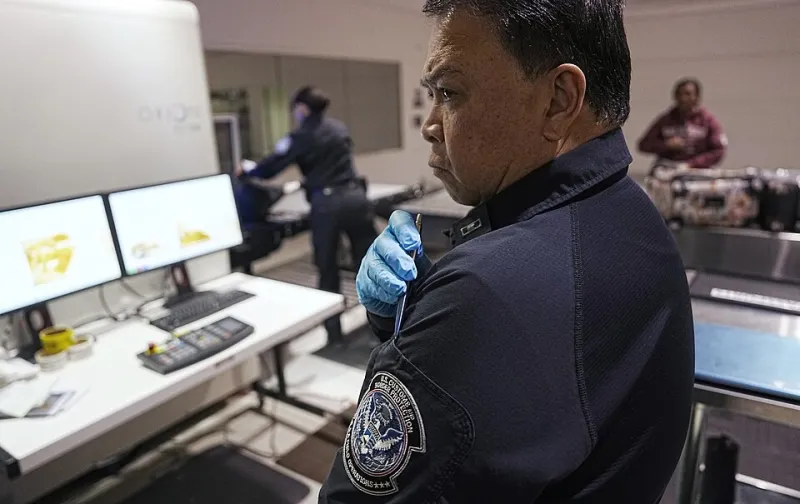
Photo: CBP Photography, Public domain, via Wikimedia Commons
You've spent a week wandering a misty hillside greenhouse in the tropics, camera roll full of blooms you've never seen stateside. Now, at the resort gift shop, you're staring at a small potted orchid and wondering a deceptively simple question: Can I take this home?
For American travelers, the answer is often 'it's complicated' — and occasionally, 'absolutely not.' Here's what every orchid enthusiast should know before heading to the airport.
The Framework: Why the Rules Exist
Two regulatory systems govern what crosses the US border. The first is domestic: US Customs and Border Protection (CBP) enforces agricultural import restrictions designed to keep invasive pests and diseases out of American agriculture. The second is international: the Convention on International Trade in Endangered Species (CITES), a treaty that classifies plants — including many orchid species — into appendices dictating whether they can be commercially traded, and under what documentation.
Critically, nearly all orchid species fall under CITES Appendix II, meaning international commercial trade requires permits. A smaller set of rare species, such as certain Paphiopedilum and Phragmipedium slipper orchids, are listed under Appendix I, where trade is far more restrictive.
'The most common mistake we see is travelers assuming a plant bought legally at a local market is automatically legal to import,' says one CBP agriculture specialist stationed at a major US gateway airport. 'Local legality and import legality are two different questions.'
The Traveler's Checklist
Before you fly home, run through this list:
1. Seeds are not a loophole. Many travelers believe seeds evade scrutiny. In reality, importing orchid seeds requires a permit from the USDA's Animal and Plant Health Inspection Service (APHIS), and most seeds must enter through a plant inspection station.
2. Declared beats concealed — every time. Undeclared plant material can result in fines starting around $1,000, even for honest mistakes. Declaring an item and having it confiscated costs you nothing but the souvenir.
3. Documentation matters. A CITES export permit from the country of origin, paired with the appropriate import documentation, is the only legitimate path for most live orchid material. Reputable vendors will provide paperwork; if a seller can't, walk away.
4. Airlines add their own layer. Even legally documented plants must comply with airline policies on carry-on and checked agricultural items. Confirm with your carrier before purchase.
5. Photographs and memories are always duty-free. Images, sketchbooks, pressed-flower art purchased through legal channels, and locally made crafts featuring orchid motifs face no restrictions.
The Smarter Alternative: Let the Nursery Do the Paperwork
Here's the good news for American gardeners: you don't need to smuggle anything to grow island orchids at home. A robust network of certified US nurseries — many in Florida, California, and Hawaii — legally imports and propagates orchid species under CITES permits, then ships laboratory-raised, pest-free plants directly to your door.
'Buy from a domestic certified grower, and the plant has already cleared every hurdle,' notes a horticultural importer based in Homestead, Florida. 'You get a healthy, legally documented orchid, and the source population in the wild is untouched.'
Many island destinations have embraced this model. Conservation-minded growers in Singapore, Thailand, and across the Caribbean partner with US nurseries, meaning the orchid you admired on vacation may be legally available — often as the very same clone — through a licensed American seller.
A Final Word on Ethics
Beyond the legal calculus lies an ethical one. Wild-collected orchids, even when they slip through enforcement gaps, place pressure on fragile island ecosystems. The travel memories you bring home should enrich your garden, not diminish the landscape that inspired it.
The most seasoned orchid travelers have learned to carry their souvenirs differently: in photographs, in journals, in the names of species they'll later purchase from a certified grower. It's a lighter suitcase and a cleaner conscience — and, frankly, the only way to bring the bloom home whole.