From Havana to Barbados: Crafting the Ultimate Caribbean Orchid Safari for the Discerning Traveler
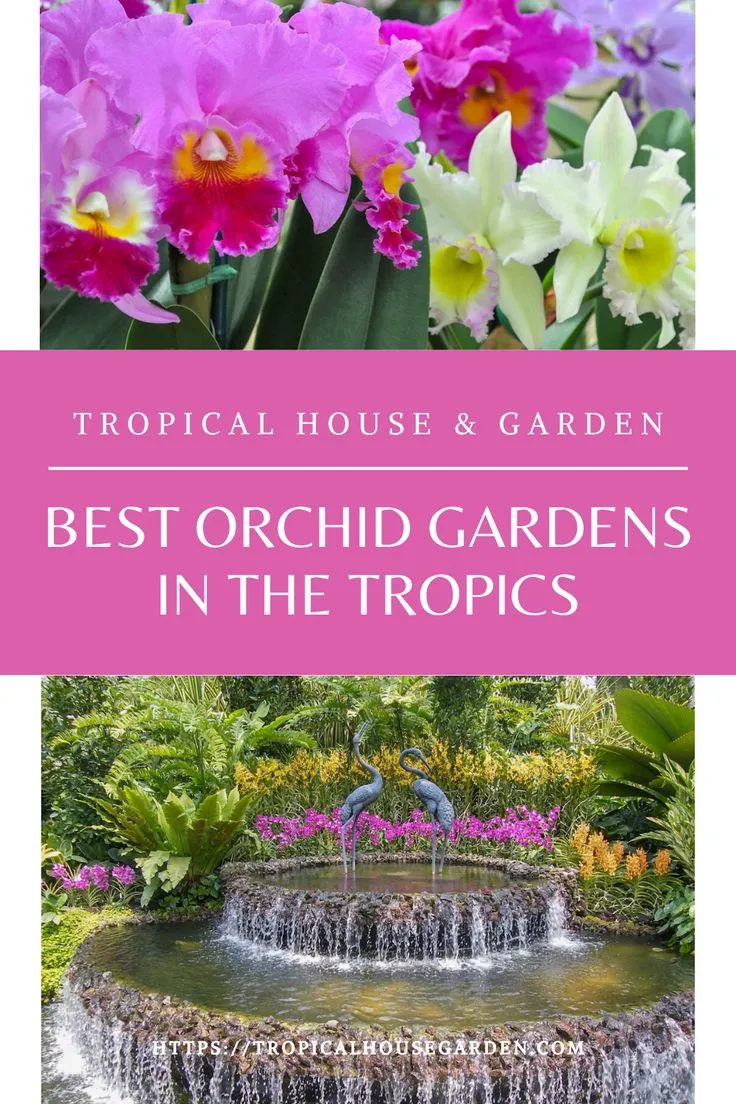
Photo: luxury tropical botanical garden Caribbean orchid flowers, via i.pinimg.com
The Caribbean is rarely the first destination that springs to mind when American botanical enthusiasts begin planning an orchid expedition. Southeast Asia and the Andean cloud forests tend to dominate that conversation. Yet the islands stretching from the Greater Antilles to the windswept shores of Trinidad and Tobago harbor an extraordinary concentration of wild and cultivated orchids — many of them accessible only to those willing to look beyond the all-inclusive resort brochure.
A well-designed Caribbean orchid safari is not a single destination. It is a curated sequence of islands, each offering its own microclimate, its own horticultural heritage, and its own cast of passionate growers and conservationists. What follows is a framework for building that journey — one that balances genuine botanical discovery with the kind of unhurried luxury the region does so well.
Understanding the Bloom Calendar Before You Book
Timing is everything in orchid travel. Unlike a museum, a botanical garden in peak bloom cannot be replicated out of season, and the Caribbean's orchid calendar is more nuanced than many travelers expect.
In general terms, the region's dry season — roughly December through April — coincides with the flowering period for many native epiphytic species, including several Epidendrum and Oncidium varieties found across the Lesser Antilles. Cuba's endemic Encyclia species tend to peak between January and March, making Havana and the Viñales Valley particularly rewarding during those months for visitors who arrange access to private growing collections through vetted cultural exchange programs.
Trinidad and Tobago present a different rhythm altogether. The island of Trinidad shelters more than 700 orchid species — a figure that rivals many far larger landmasses — and its peak display occurs during the wetter months of June through August, when the Northern Range cloud forests come alive with Cattleya relatives and the spectacular Epidendrum secundum. Travelers willing to adjust their itinerary to include a late-summer leg will find the experience well worth the humidity.
For those planning a single, consolidated trip, late January through mid-February offers the broadest window of overlap across multiple islands, making it the preferred choice for first-time Caribbean orchid travelers.
The Islands Worth Building an Itinerary Around
Cuba remains one of the most botanically rich and least commercially saturated destinations in the Caribbean. The country is home to approximately 350 native orchid species, of which a remarkable number are endemic. Private botanical estates outside Havana — accessible through specialist tour operators with established Cuban partnerships — offer curated walking tours led by local horticulturalists. The Jardín Botánico Nacional, located just south of the capital, maintains one of the most comprehensive living orchid collections in the region and warrants at least a full day.
Jamaica offers a different kind of access. The Blue Mountains, which rise to more than 7,400 feet, create a layered series of microclimates that support an impressive range of native orchids. Several private estates in the hills above Kingston have opened their grounds to small-group botanical tours by appointment. Combining a morning in the orchid garden with an afternoon at one of the valley's renowned coffee estates makes for a deeply satisfying itinerary.
Dominica, often overlooked in favor of its more glamorous neighbors, is arguably the most ecologically intact island in the Lesser Antilles. Its dense rainforest interior shelters wild orchid populations that have changed little in centuries. Guided hikes through the Valley of Desolation and the Boiling Lake trail pass through orchid-rich forest zones. Accommodations here tend toward the intimate and eco-luxurious — properties such as Rosalie Bay Resort have cultivated on-site native plant gardens that make for rewarding early-morning exploration.
Barbados rounds out a well-balanced itinerary with its Andromeda Botanic Gardens, a nationally treasured property perched on a coral cliff above the Atlantic coast. The garden's orchid collection, while not the largest in the region, is thoughtfully curated and beautifully presented. The surrounding parish of St. Joseph offers a quieter, more residential side of Barbados that many American visitors never encounter.
Where to Stay: Hotels That Take Their Orchids Seriously
Accommodations along a botanical itinerary deserve the same level of consideration as the gardens themselves. Several Caribbean properties have invested meaningfully in on-site horticultural programs.
In Jamaica, the Strawberry Hill hotel in the Blue Mountains maintains lush tropical gardens that include native orchid plantings among its hillside terraces. The setting — cool, misty, and dramatically scenic — is itself a botanical experience.
In Dominica, Jungle Bay Resort offers garden suites surrounded by living plant collections, and the property's naturalist staff can arrange bespoke orchid-focused excursions into the surrounding forest reserve.
For Barbados, the Cobblers Cove hotel in St. Peter is a refined base with manicured tropical grounds. Its concierge team is well-positioned to arrange private visits to the Andromeda Gardens during off-hours, a significant advantage for photographers and serious collectors.
Navigating Plant Transport: What US Travelers Need to Know
For many orchid enthusiasts, the desire to bring home a rare specimen is entirely understandable — and, with the right preparation, entirely legal. The key is understanding the regulatory framework before departure, not upon arrival at customs.
The United States Department of Agriculture (USDA) regulates the importation of all plant material, and orchids are additionally governed by the Convention on International Trade in Endangered Species (CITES). Many Caribbean orchid species fall under CITES Appendix II, meaning they may be exported legally with the appropriate phytosanitary certificate and CITES export permit issued by the country of origin.
The practical implication: purchase only from licensed nurseries that are familiar with the export documentation process. Reputable vendors in Jamaica, Trinidad, and Cuba can prepare the necessary paperwork in advance of your departure. Upon re-entering the United States, declare all plant material to US Customs and Border Protection and present your documentation at the agricultural inspection station. Bare-root plants with no soil attached move through inspection considerably faster than potted specimens.
For travelers uncertain about the process, several specialty tour operators now offer full documentation assistance as part of their Caribbean orchid itinerary packages — a worthwhile investment for those hoping to expand their home collection with legally sourced Caribbean varieties.
Balancing the Safari With the Holiday
The most successful Caribbean orchid itineraries resist the temptation to schedule every hour around botanical objectives. The region's broader pleasures — its cuisine, its music, its coastlines — are themselves part of the experience, and the unhurried pace of island life has a way of making even a morning walk through a private garden feel like a privilege rather than a task.
Plan for two to three dedicated botanical half-days per island, and leave the remaining time open for the kind of serendipitous encounters that define great travel: a roadside market vendor selling hand-potted native orchids in Trinidad, a hotel gardener in Dominica who turns out to hold a decade's worth of expertise in local epiphytic species, a sunset in the Blue Mountains that no collection of rare specimens can quite rival.
The Caribbean rewards the curious traveler who arrives with knowledge but departs with wonder. That, in the end, is the true purpose of an orchid safari.