Petals and Pathways: A Luxury Journey Through Southeast Asia's Hidden Orchid Sanctuaries
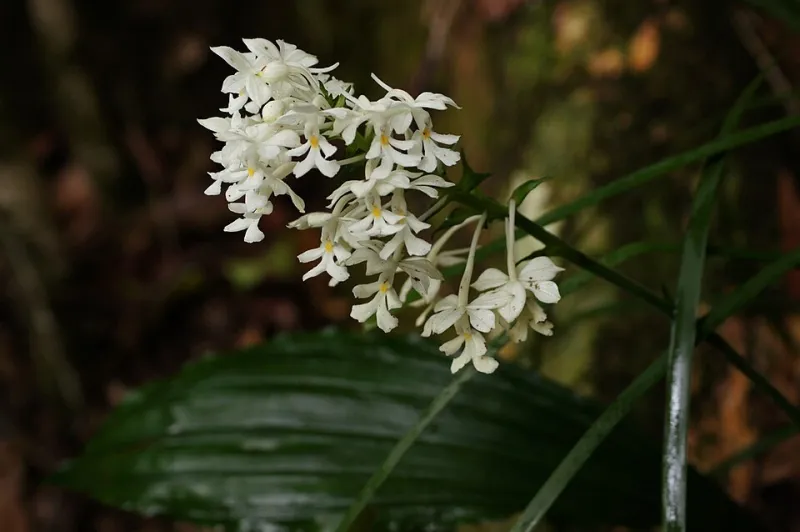
Photo: Tatters ❀ from Brisbane, Australia, CC BY-SA 2.0, via Wikimedia Commons
Southeast Asia has long captivated the imaginations of botanists, adventurers, and luxury travelers alike. Its labyrinthine river systems, cloud-draped mountain ranges, and ancient island forests collectively shelter an estimated 25,000 orchid species — roughly two-thirds of the world's known total. Yet for all its renown, the region's most extraordinary orchid habitats remain refreshingly undervisited, tucked beyond the well-worn paths of mainstream tourism. For the traveler who seeks depth alongside beauty, the following multi-destination itinerary offers a rare and privileged encounter with nature at its most extravagant.
Northern Thailand: Where Cloud Forests Conceal Hidden Treasures
Begin your journey in Chiang Mai, the cultural and botanical gateway to Thailand's northern highlands. While the city itself rewards exploration — particularly the celebrated Queen Sirikit Botanic Garden, home to one of Asia's finest orchid conservation programs — it is the surrounding Doi Inthanon National Park that truly commands attention. At elevations exceeding 8,400 feet, the park's moss-laden cloud forests shelter wild Dendrobium and Coelogyne species that bloom with extraordinary delicacy against a backdrop of perpetual mist.
Arrange a guided trek through a reputable outfitter such as Doi Inthanon Nature Trails, whose botanist-led expeditions venture into restricted zones rarely accessible to casual visitors. These half-day and full-day excursions are deliberately small — typically no more than six guests — ensuring an intimate, unhurried encounter with the forest floor. For accommodation, the recently renovated Anantara Chiang Mai Resort provides a seamless blend of Thai craftsmanship and contemporary luxury, and its concierge team maintains established relationships with local botanical researchers who occasionally offer private collection viewings.
Insider Tip: The peak blooming season in northern Thailand's highland zones typically runs from November through February, coinciding with cooler, drier conditions. Book treks well in advance during this window, as availability is limited.
Peninsular Malaysia: Rainforest Reserves and Private Botanical Estates
From Chiang Mai, a short flight south to Kuala Lumpur opens the door to peninsular Malaysia's remarkable botanical heritage. The Cameron Highlands, a cool plateau roughly three hours by road from the capital, have cultivated a thriving orchid industry since the colonial era. Today, the region balances commercial floriculture with genuine conservation, and several family-owned estates welcome guests for private tours of their growing facilities.
One such destination is the Mossy Forest Orchid Preserve near Tanah Rata, a privately managed reserve that protects wild populations of Bulbophyllum and Liparis species within a fragment of primary montane forest. Guided visits, arranged exclusively through select luxury travel agencies, include a walking tour with the reserve's resident botanist and a curated tasting session pairing local highland teas with freshly harvested tropical fruits — a quietly memorable afternoon that underscores the interconnectedness of this ecosystem.
For those wishing to extend their stay, The Smokehouse Hotel & Restaurant offers elegantly appointed rooms within a historic Tudor-style property that has welcomed guests since 1937. Its gardens, maintained with meticulous care, incorporate both native orchid species and cultivated hybrids that change seasonally.
Further south, Taman Negara National Park — one of the world's oldest rainforests at an estimated 130 million years — presents an altogether wilder encounter. Night walks led by trained naturalists frequently reveal Habenaria and Nervilia species emerging from the forest floor under torchlight, an experience that borders on the surreal.
Insider Tip: Malaysia's national parks require advance permits for guided botanical research access. Work with a specialist travel planner who can secure these permits and arrange direct introductions to park-affiliated researchers.
Indonesian Borneo: The Apex of Orchid Biodiversity
No botanical journey through Southeast Asia is complete without a passage into the Indonesian province of East Kalimantan, the heart of Borneo's astonishing floral wilderness. This vast island — shared between Indonesia, Malaysia, and Brunei — is believed to harbor over 3,000 orchid species, many of them undescribed by science. Traveling here requires a willingness to embrace genuine remoteness, but the rewards are proportional to the effort.
Fly into Balikpapan and arrange a river transfer to one of the region's acclaimed eco-lodges. Rimba Orangutan Eco Lodge, situated along the Kinabatangan-adjacent river systems of East Kalimantan, has quietly established itself as a reference point for responsible wildlife and botanical tourism. Their resident naturalists conduct daily forest excursions that frequently encounter Grammatophyllum speciosum — the tiger orchid, the world's largest orchid species — growing in the canopy with breathtaking grandeur.
For those seeking an even more exclusive experience, a handful of private conservation concessions in the region accept a limited number of researcher-guests annually. These arrangements, facilitated through organizations such as the Borneo Orchid Society, provide unparalleled access to primary forest habitats in exchange for a meaningful contribution to ongoing conservation funding.
Insider Tip: Borneo's orchid blooming cycles are less predictable than those of Thailand or Malaysia, as the equatorial climate produces year-round humidity with minimal seasonality. However, the months following a prolonged dry spell — typically August through October — often trigger synchronized blooming events of extraordinary visual impact.
Planning Your Journey: Practical Considerations for the Discerning Traveler
A well-executed Southeast Asian orchid itinerary demands thoughtful preparation. The following considerations will ensure both comfort and responsibility throughout your travels.
Conservation and Ethics: The collection of wild orchids is prohibited across all three countries and is regulated internationally under CITES (the Convention on International Trade in Endangered Species). Responsible travelers should restrict themselves to photography and support only licensed nurseries and conservation-affiliated organizations when acquiring specimens for personal collections.
Travel Logistics: The three-country route described above is most efficiently navigated via a combination of regional carriers — AirAsia and Malindo Air offer reliable connections — and private ground transfers arranged through luxury travel concierges. Budget a minimum of fourteen days for a measured journey; twenty-one days allows for deeper immersion at each destination.
Health Preparedness: Consult a travel medicine specialist at least six weeks prior to departure. Vaccinations for hepatitis A and B, typhoid, and Japanese encephalitis are commonly recommended for rainforest travel in this region. Antimalarial prophylaxis may be advised for Borneo itineraries specifically.
Sustainable Lodging: Prioritize properties that hold recognized eco-certifications, such as Green Globe or the ASEAN Green Hotel Standard, and that employ local staff and source provisions from regional suppliers. Your accommodation choices, collectively, represent one of the most tangible ways to direct tourism revenue toward communities with a vested interest in forest preservation.
A Journey That Endures Beyond the Return Flight
The most profound quality of a Southeast Asian orchid journey is its capacity to reshape one's understanding of the natural world long after the itinerary has concluded. To stand within a cloud forest and observe a wild Coelogyne in full bloom — its ivory petals trembling against the cool highland air — is to witness something that no greenhouse or botanical garden can fully replicate. It is a reminder that the planet's most extraordinary beauty exists not in isolation, but within intricate, interdependent systems that deserve both our wonder and our protection.
Orchid Isle encourages every traveler who undertakes this route to consider a contribution to one of the region's established conservation organizations, among them the Orchid Specialist Group of the IUCN or the Rainforest Trust. The blooms you encounter today will endure for future generations only if the forests that sustain them are given every opportunity to survive.