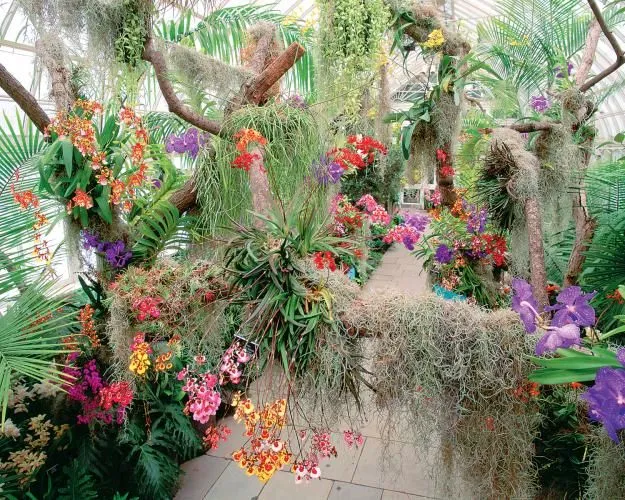
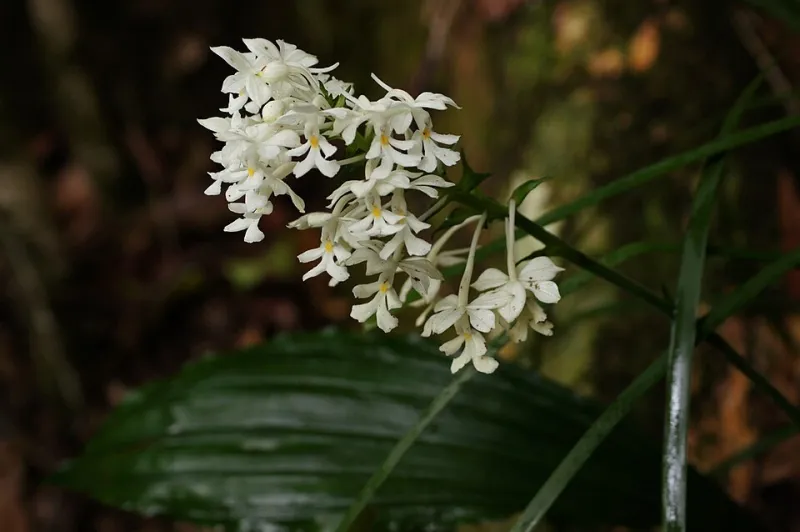
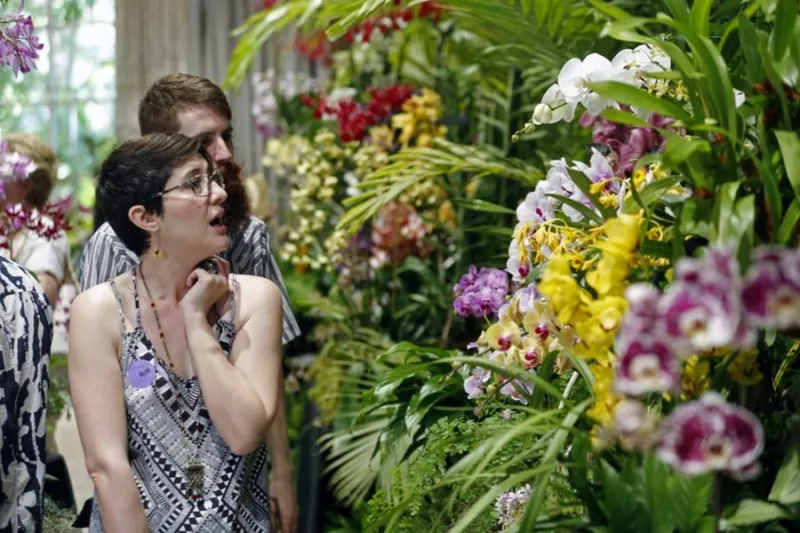
The Collector's Compass: Why America's Most Passionate Plant Enthusiasts Are Traveling the World for Orchids
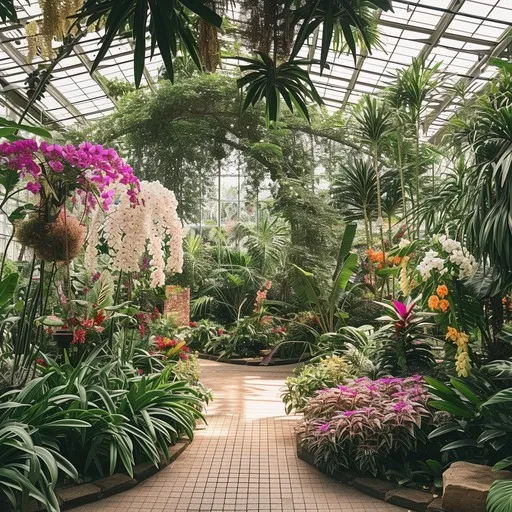
Photo: luxury greenhouse orchid collection private botanical estate rare plants, via images.stockcake.com
There is a particular kind of traveler who books a business-class seat to Bangkok not for the temples, the street food, or the tailored suits, but for a single meeting with a fourth-generation orchid grower in the outskirts of Chiang Rai. This traveler arrives with a climate-controlled shipping case in their luggage, a contact list cultivated over years of correspondence, and a working knowledge of CITES export regulations that would impress a customs attorney. They are, in the language of the contemporary luxury travel world, an orchid collector — and their numbers are growing with remarkable speed.
Across the United States, a community of botanically obsessed, financially resourced plant enthusiasts has quietly elevated orchid collecting from a genteel hobby into an all-consuming travel lifestyle. Their pilgrimages span continents, their greenhouse investments rival those of small botanical institutions, and their social networks — a constellation of growers, conservationists, auction houses, and fellow collectors — function as a kind of parallel diplomatic corps united by a shared reverence for the genus Orchidaceae.
From Windowsill to World Tour
For many collectors, the journey begins modestly. A Phalaenopsis purchased at a local nursery. A second plant, then a third. A subscription to the American Orchid Society's bulletin. And then, almost inevitably, the realization that the most extraordinary specimens — the ones that appear in the pages of specialized journals and command five-figure sums at auction — are not available at any shop within driving distance of home.
"I had been growing orchids seriously for about four years before I understood that the plants I most wanted simply didn't exist in American commerce," says Margaret L., a retired architect based in Charleston, South Carolina, who now maintains a temperature-controlled greenhouse housing over 400 specimens. "The moment I accepted that acquiring them meant traveling to find them, everything changed. My travel calendar reorganized itself entirely around the orchid calendar."
Margaret's experience is representative of a broader pattern. The decision to travel specifically in pursuit of orchids — rather than incorporating botanical interests into existing travel plans — marks a psychological threshold that many collectors describe as transformative. It signals, they say, a shift from enthusiast to devotee, and from tourist to participant in a global community.
The Auction Circuit: Where Rarity Commands a Room
For collectors operating at the upper tier of the market, the orchid auction circuit represents both a commercial marketplace and a social institution. Events hosted by specialist houses in Singapore, the Netherlands, and Japan attract buyers and consignors from across the globe, with individual specimens of rare species such as Paphiopedilum rothschildianum or Dracula vampira occasionally realizing prices exceeding $10,000.
American collectors have become increasingly prominent participants in these events over the past decade, a trend that specialist dealers attribute partly to the growth of high-net-worth plant collecting as a lifestyle category and partly to improved awareness through social media platforms such as Instagram, where orchid accounts with hundreds of thousands of followers have normalized the idea of serious botanical investment.
"The American collector has become a very significant presence at the major Asian auctions," observes one Singapore-based dealer who asked not to be named. "They arrive well-informed, they ask excellent questions, and they are genuinely committed to understanding the provenance of what they are purchasing. The best of them are as knowledgeable as many professional growers."
The auction circuit also serves a social function that its participants value highly. The relationships formed in bidding rooms and post-auction dinners frequently evolve into lasting friendships, research collaborations, and invitations to visit private collections — the latter representing, for many collectors, the most coveted experience in the orchid world.
Private Collections and the Privilege of Access
Among the most prized experiences available to serious collectors is an invitation to tour a private botanical estate. These collections — maintained by growers in Taiwan, Colombia, Thailand, and beyond — are rarely advertised and never open to the general public. Access is granted through personal introductions, long-standing correspondence, or the recommendation of a trusted mutual contact.
David K., a technology executive based in Seattle who has been collecting orchids for eleven years, describes such a visit to a private estate in the Ecuadorian highlands as the single most memorable experience of his collecting life. "The owner had spent forty years assembling a collection of Andean Masdevallia species that I don't believe exists anywhere else on earth. Walking through those growing houses was like visiting a living archive. I spent six hours there and felt I had barely scratched the surface."
David emphasizes that the relationship he maintains with that grower — sustained through annual visits, regular correspondence, and meaningful financial support of the owner's conservation work — has enriched his collecting practice in ways that no auction or commercial transaction could replicate. "It changed how I think about what collecting is," he says. "It's not accumulation. It's stewardship of a relationship."
The Ethics of the Hunt: Collecting in the Age of Conservation
The orchid world is not without its ethical complexities, and responsible collectors are acutely aware of the tensions that exist between personal passion and environmental obligation. The illegal trade in wild-collected orchids remains a genuine threat to species survival, and the regulatory framework governing international plant trade — while imperfect — exists for substantive reasons.
This awareness has prompted a meaningful shift in how the most thoughtful American collectors approach their hobby. Many now direct a portion of their acquisition budgets toward conservation donations, supporting organizations such as the Orchid Conservation Alliance or the work of individual researchers at institutions like the Marie Selby Botanical Gardens in Sarasota, Florida. Others have established formal partnerships with botanical gardens, contributing specimens to ex-situ conservation programs that serve as insurance populations against habitat loss.
"Every serious collector I know has had a moment of reckoning," says Margaret. "You realize that the beauty you love exists within a system that is under enormous pressure. The question then becomes: what kind of participant do you want to be? I decided I wanted to be part of the solution."
This ethical evolution has also influenced travel behavior. Collectors increasingly seek out licensed nurseries with documented propagation histories, avoid purchasing from vendors unable to provide clear provenance documentation, and advocate within their networks for higher standards of transparency across the trade.
The Greenhouse as Homecoming
For all the miles traveled and relationships cultivated, collectors consistently describe the return to their home greenhouse as the moment that gives the entire enterprise its meaning. The plants acquired abroad — legally obtained, carefully transported, and lovingly integrated into a curated collection — carry with them the memory of the places and people from which they came.
A Bulbophyllum from a Borneo riverbank. A miniature Lepanthes from a Colombian cloud forest. A Vanda cutting gifted by a Thai grower after three visits and two years of correspondence. Each plant is, in its way, a chapter in a larger story — a story of curiosity, commitment, and the quiet conviction that the world's most extraordinary beauty is worth traveling very far to understand.
In this sense, the orchid collector's lifestyle is not simply a luxury indulgence. It is, at its best, an act of sustained attention — a refusal to let the world's botanical wonders recede into abstraction. And for those who live it, no other form of travel comes close.