The Inheritance Question: When Heirs Trade Resort Keys for Greenhouse Doors
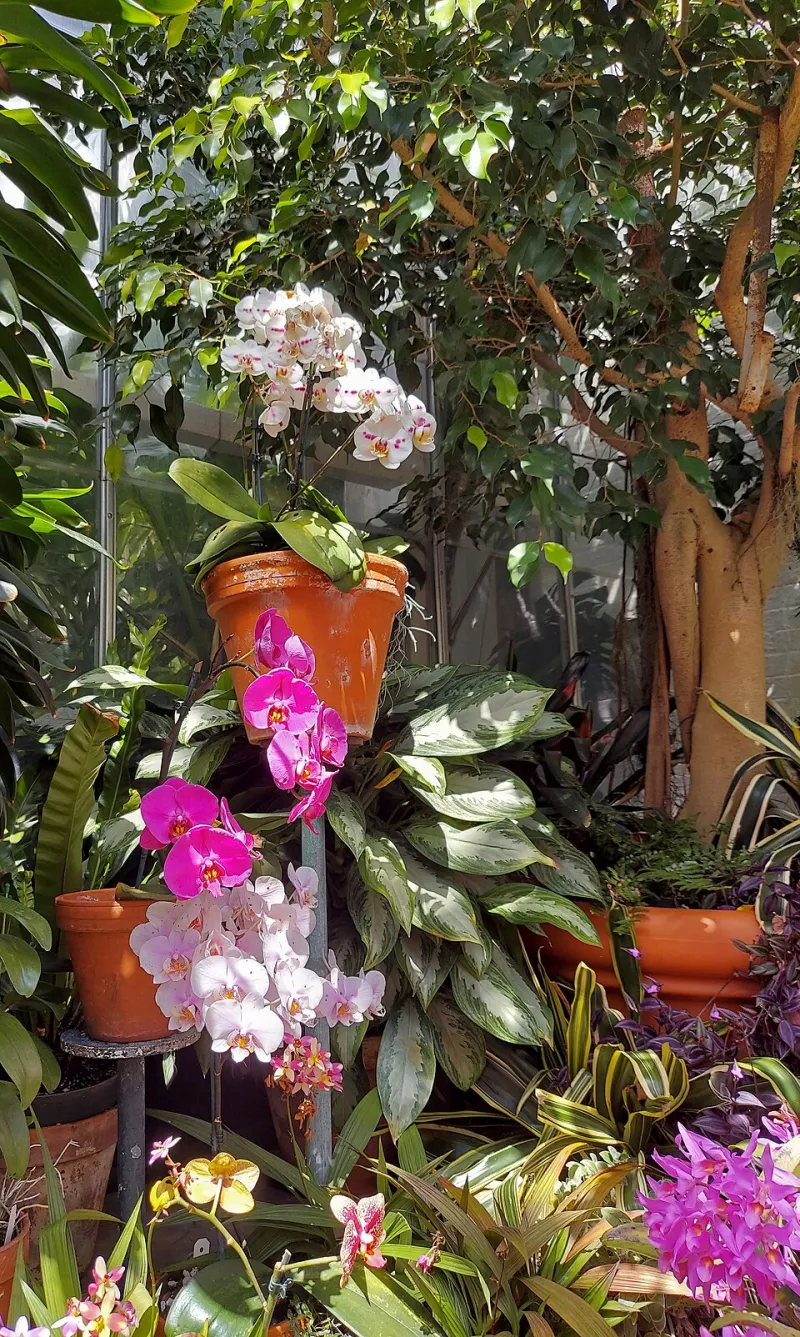
Photo: P. Hughes, CC BY-SA 4.0, via Wikimedia Commons
For most of the last century, inheriting a tropical island resort was the hospitality industry's version of winning the lottery. The business model was proven, the real estate was irreplaceable, and the only real obligation was not to break it. Which is why the most interesting story in luxury travel right now is the number of heirs who are, deliberately and sometimes against their families' wishes, doing exactly that.
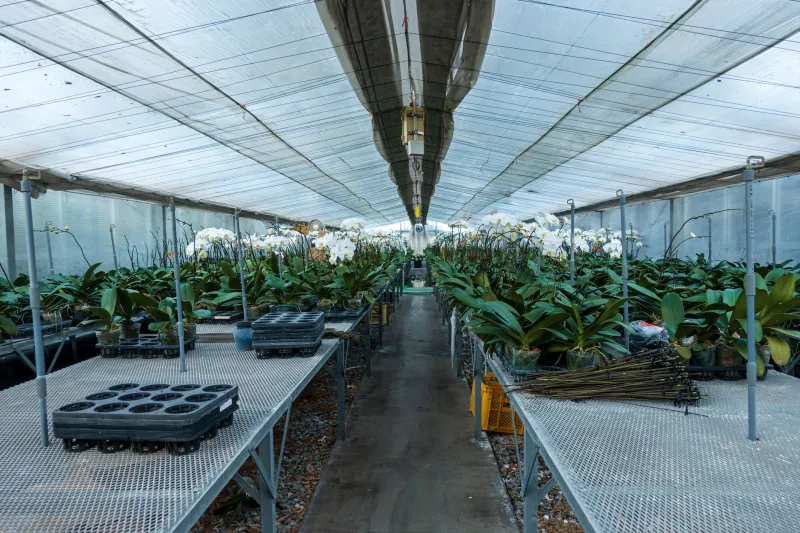
Across the Caribbean, the Pacific, and the Indian Ocean, children and grandchildren of legacy hoteliers are converting struggling — and in some cases thriving — family resorts into working orchid estates and conservation preserves. The trend is small, quiet, and, I would argue, the most significant shift in what luxury inheritance means in a generation.
The Math No Longer Works the Old Way
Start with the unromantic explanation: many of these properties were built for a travel economy that no longer exists. Mid-scale beach resorts face relentless pressure from both budget chains and ultra-luxury newcomers, and the middle is collapsing. Renovation costs for aging properties routinely run into eight figures. Inheritance, in this context, can feel less like a windfall than a liability with a view.
Converting land to an orchid estate — with a smaller, higher-touch guest operation attached — changes the equation. The acreage becomes productive, the conservation angle attracts grant funding and premium positioning, and the property differentiates itself in a market drowning in identical infinity pools.
But the Motives Run Deeper
The financial logic alone does not explain why an heir with every exit available would choose a greenhouse over a beach club. Talk to the people making this pivot and a more personal theme emerges: the desire to inherit something meaningful rather than merely valuable.
One heir I spoke with — who asked not to be named while the conversion of his family's property is underway — put it plainly. His grandfather built the resort to give guests an escape. His father maintained it out of duty. He is converting it because, in his words, "I would rather leave behind a living collection than a depreciating asset." The orchid estate, with its decades-long timelines and its dependence on expertise accumulated across generations, is a business designed to be inherited again.
There is also a cultural element that American observers, raised on stories of family farms sold off and legacies liquidated, will recognize immediately. This is the same impulse driving young winemakers back to vineyards and regenerative farmers back to depleted land — a rejection of the idea that the highest use of inherited land is maximum extraction.
What It Means for Travelers
Guests should pay attention, because this trend is quietly reshaping what a luxury island stay looks like. The orchid estate model produces smaller properties, longer stays, and experiences rooted in genuine expertise rather than scripted wellness programming. It also tends to produce higher prices — conservation is not cheap — but the value proposition is legible in a way that another spa menu is not.
It may also produce better stewardship. A resort's obligation to its orchid collection does not end at checkout, and the estates emerging from this transition are, almost by definition, properties whose owners intend to be there in fifty years.
The Real Argument
Skeptics will note, fairly, that some of these conversions are rebranding exercises — eco-washing a balance sheet. Some are. But the underlying signal is worth taking seriously regardless: the next generation of hospitality's most privileged heirs is redefining inheritance as stewardship rather than ownership. In an industry built on the fantasy of escape, that may be the rarest luxury of all — a place that intends to endure.