After Dark in the Canopy: Why Moonlit Orchid Walks Are Luxury Travel's Best-Kept Secret
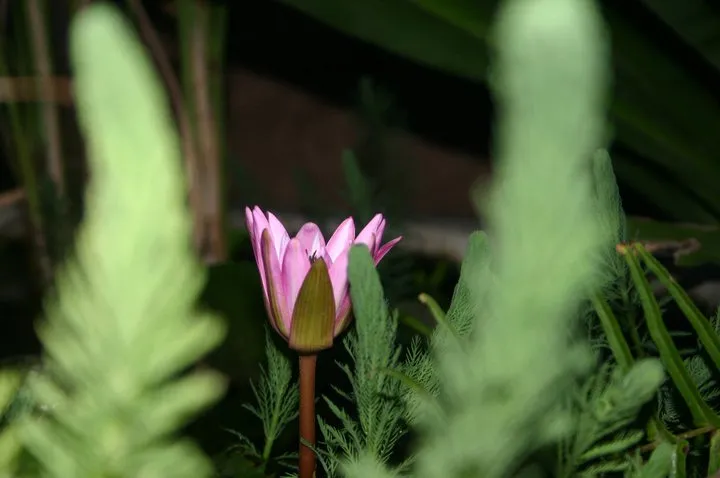
Photo: Jawad kundi, CC BY-SA 3.0, via Wikimedia Commons
There is a moment, roughly forty minutes after sunset on a tropical island, when the forest changes its mind. The cicadas hand their shift to the tree frogs. The heat lifts. And in the understory, plants that spent the day folded tight begin, almost imperceptibly, to open.
For most visitors to the world's great orchid destinations, this moment marks the end of the day's sightseeing — cocktails on the terrace, dinner at seven. For a small but growing circle of botanical travelers, it is the beginning of the real show.
The Garden That Waits for Dusk
Night-blooming orchids and their botanical cousins — most famously the epiphyllum, or queen of the night cactus — operate on a logic entirely their own. These species evolved to entrust their pollination to moths and bats rather than bees, and everything about them reflects that arrangement: pale, almost luminous petals; fragrance released in heavy, narcotic waves only after dark; blooms that may last a single night before collapsing by morning.
To encounter one is to be reminded that nature keeps secrets even from diligent tourists. The famous epiphyllum oxypetalum can go years between flowerings, and when it does bloom, the event lasts hours, not days. Botanical societies in the United States have long held midnight openings at conservatories so members can witness it. On the islands where these plants grow wild, the experience is far more elemental — and far harder to schedule.
Which is precisely what makes it compelling to the modern luxury traveler.
Lodges That Leave the Lights Off
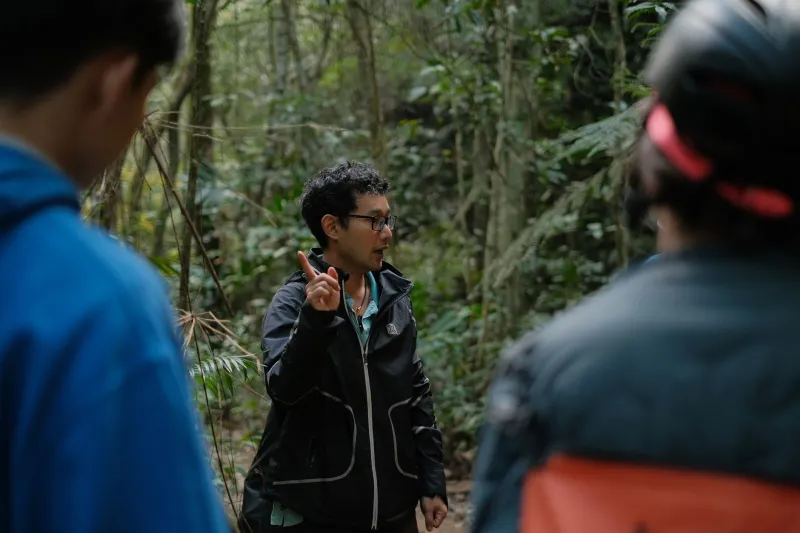
Across the Caribbean, Southeast Asia, and the Indian Ocean, a handful of boutique properties have begun building entire guest experiences around the nocturnal forest. The format is consistent: small groups, expert guides — often the same field botanists who monitor the estates by day — and red-filtered headlamps that preserve both night vision and the insects' sense of direction.
The walks themselves are unhurried in a way daytime excursions rarely are. Guides know which trees host which epiphytes, which fallen logs will be wearing their flowers by ten o'clock, and where a night-blooming orchid has staked its claim. Guests learn to navigate by fragrance before flashlight: the vanilla-and-clove signature of one species, the citrus edge of another. It is botany experienced the way early naturalists experienced it, before the field guide replaced the field.
Several properties now time their calendars around lunar phases and known bloom cycles, offering what amounts to a standing invitation: when the plants decide, the lodge will wake you.
Why Night Is the New Frontier
Part of the appeal is scarcity by design. Anyone with a credit card can visit an orchid conservatory. Far fewer can say they have stood in a rainforest at midnight, watching a flower unfurl in real time — a process that can take under an hour and will not repeat for a year.
Part of it is also sensory. Daytime garden visits reward the eye; the night forest rewards everything else. Guides describe guests noticing textures, sounds, and scents they had no vocabulary for that morning. For American travelers raised on the visual abundance of botanical gardens from Missouri to Longwood, the nocturnal experience offers something rarer than a rare bloom: genuine surprise.
There is a conservation argument as well. Night walks distribute visitor interest across hours when daytime trails are quiet, and the lodges running them tend to employ the naturalists whose research funds — and whose monitoring of bloom events — directly support the ecosystems in question. The guest's presence, in other words, has a purpose beyond the photograph.
Planning Your Own Moonlight Encounter
For those considering an after-dark botanical journey, the practicalities matter. Book well in advance — these walks are capped at six to eight guests and often sell out around predicted bloom windows. Pack for humidity and insects in equal measure. And manage expectations honestly: the forest keeps its own calendar, and a night with no blooms is still a night among the most extraordinary soundscapes on earth.
The best guides will tell you the same thing. You do not chase the night garden. You simply show up, turn off your lights, and wait for the island to bloom.