From Petal to Plate: How Island Chefs Are Transforming Orchids Into a New Language of Luxury Dining
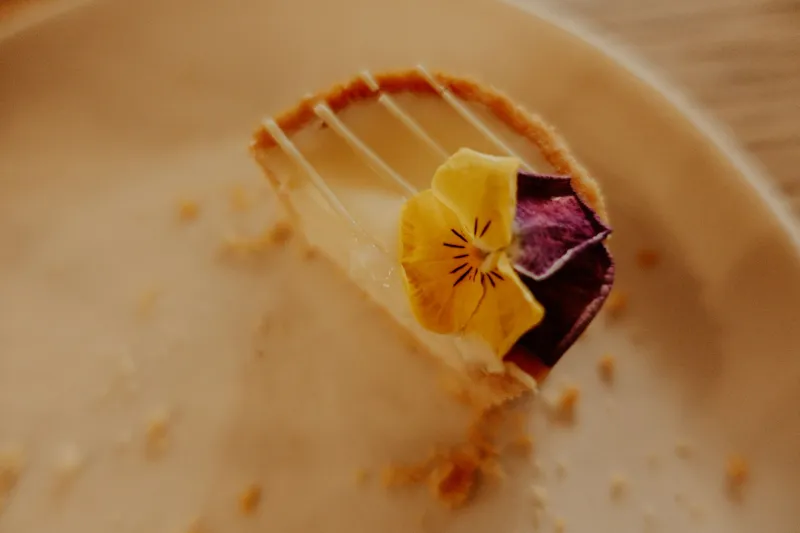
There is a particular moment — familiar to anyone who has dined at the right table in Bali, Barbados, or the highlands of Taiwan — when a dish arrives and the first instinct is not to eat, but to pause. A single orchid blossom rests against a sweep of citrus foam or floats above a pool of coconut consommé, its symmetry so precise it seems almost architectural. Then the aroma reaches you, and the boundary between botanical garden and fine dining dissolves entirely.
This is the world that a new generation of island chefs is building — one petal at a time.
A Flavor Profile Unlike Any Other
Orchids are not a monolithic ingredient. Across the more than 25,000 species that exist globally, the edible varieties span a surprisingly nuanced flavor spectrum. Some carry a faint floral sweetness reminiscent of honey and vanilla; others offer a mildly peppery or grassy finish that functions almost as an herb. The vanilla orchid (Vanilla planifolia), long cultivated across tropical islands from Madagascar to Tahiti, is perhaps the world's most commercially familiar, yet chefs working in island kitchens today are reaching well beyond vanilla extract.
In Hawaiʻi, for instance, a small cohort of chefs has begun working with locally cultivated Dendrobium varieties, whose petals carry a subtle nectarous quality that pairs elegantly with fresh ahi tuna and yuzu-based dressings. At upscale resorts along Maui's coastline, tasting menus now occasionally feature orchid-infused oils, cold-pressed from petals harvested that same morning. The result is less a garnish than a considered flavor element — one that connects the diner, almost unconsciously, to the island's ecological identity.
Sustainable Sourcing as a Culinary Ethos
The rise of edible orchids in haute cuisine raises an immediate and legitimate concern: given how many orchid species are threatened or protected under international trade agreements like CITES, how do responsible chefs source these ingredients without contributing to ecological harm?
The answer, among the most thoughtful practitioners, lies in intentional cultivation and transparent supply chains. Rather than foraging wild specimens — a practice that is both legally fraught and ecologically irresponsible — leading island chefs are forming direct partnerships with licensed botanical growers. In Singapore, where orchid cultivation has been elevated to a near-civic tradition, several Michelin-recognized restaurants source exclusively from certified urban farms that operate under strict sustainability protocols. The blooms arrive in small, precisely harvested quantities, with traceability documentation that some chefs share openly with curious diners.
This model of farm-to-table orchid sourcing is gaining traction across Caribbean destinations as well. In Barbados, a handful of boutique estate restaurants have begun cultivating their own orchid gardens on property — a development that serves dual purposes, providing both a visual amenity for guests and a controlled source of edible blooms. The garden walk before dinner is no longer merely decorative; it is the beginning of the meal itself.
The Art of Restraint: Orchids as Accent, Not Spectacle
The chefs who are doing this most skillfully share a common discipline: restraint. The temptation to deploy an orchid blossom as a visual flourish — a piece of edible theater rather than a genuine culinary contribution — is one that separates the thoughtful from the merely trendy.
At a celebrated resort dining room in Lombok, Indonesia, the executive chef integrates dried orchid petals into a house-made salt blend that finishes a slow-roasted duck dish. The orchid is invisible to the eye but unmistakable on the palate — a whisper of floral complexity that lingers after the richness of the meat. Diners who ask about the unusual finish are often surprised to learn the source. That surprise, the chef has noted in interviews, is precisely the point: the orchid should earn its place through flavor, not performance.
This philosophy resonates with a broader shift in luxury travel dining, where American guests in particular are arriving with greater culinary literacy and a genuine appetite — in every sense — for experiences that feel rooted in place rather than imported from a generic fine-dining template.
Seeking These Experiences as a Traveler
For the orchid-minded luxury traveler planning an island itinerary, the opportunity to engage with edible orchid cuisine requires a degree of advance research and, occasionally, direct inquiry. These experiences rarely announce themselves loudly. They are tucked into tasting menus described only in broad terms, or offered as a special course for guests who express botanical curiosity to their concierge.
A few practical approaches tend to yield results. Contacting a resort's culinary team directly before arrival — rather than relying solely on online menus — often reveals seasonal orchid offerings that are not publicly advertised. Botanical gardens affiliated with resort properties are another entry point; staff members at these institutions frequently maintain informal networks with local chefs and can facilitate introductions or recommend specific dining venues.
Orchid festivals, which take place across destinations including Taiwan, Singapore, and Trinidad and Tobago, often include culinary programming that showcases edible varieties in a concentrated, accessible format. These events represent an efficient way to encounter multiple interpretations of orchid cuisine within a short visit.
Where Botany and Gastronomy Converge
What makes the edible orchid movement genuinely compelling — beyond the novelty — is what it represents philosophically. For decades, the luxury travel world has celebrated orchids as objects of visual and scientific wonder, as symbols of biodiversity and ecological fragility. To encounter them on a plate, prepared with intelligence and care, is to experience a different order of intimacy with the natural world.
The island kitchen, at its most inspired, becomes a kind of translation chamber — converting the language of the garden into something that can be tasted, remembered, and carried home in a way that no photograph quite replicates. For travelers who have long admired orchids from a respectful distance, this is an invitation to a closer conversation.
The blooms are waiting. So is the table.