The Bloom Calendar: A Season-by-Season Guide to Witnessing the World's Most Spectacular Island Orchid Displays
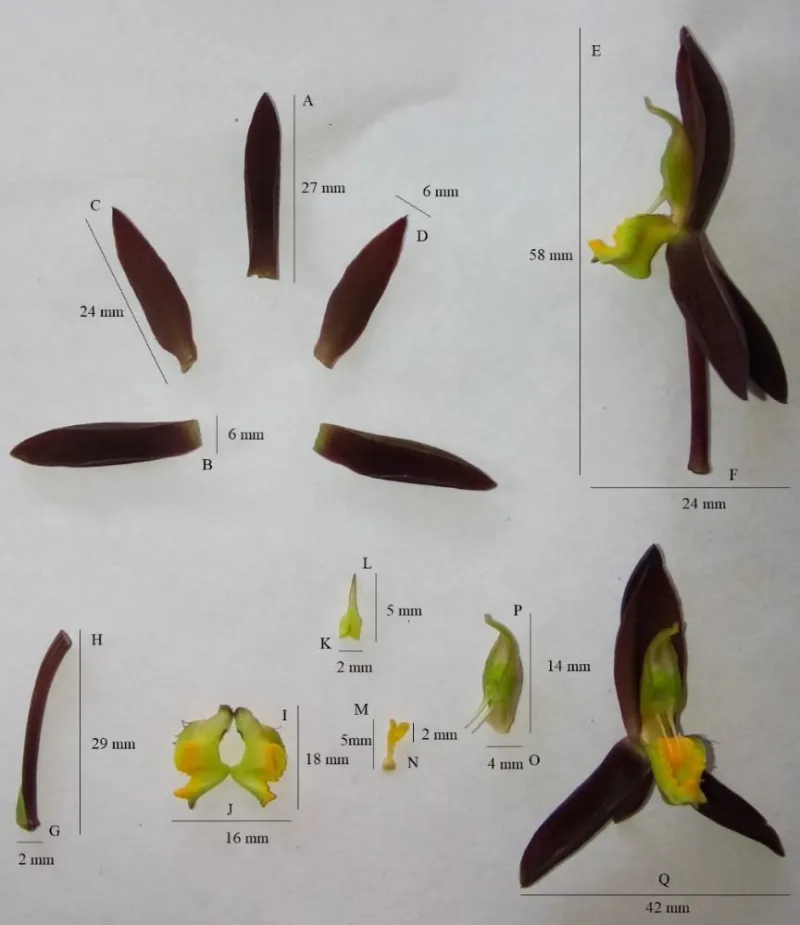
Photo: Jani Pereira, CC BY-SA 4.0, via Wikimedia Commons
Timing, in the world of orchid travel, is everything. Unlike a museum collection or a botanical garden's climate-controlled greenhouse, wild orchid displays are governed entirely by nature's calendar — and the difference between visiting a week too early or a week too late can mean the difference between a landscape ablaze with color and one that offers only the memory of what just passed. This guide is designed to help US travelers plan with precision, mapping the peak flowering windows of the world's most rewarding island orchid destinations across every month of the year.
Understanding What Drives the Bloom
Before consulting any calendar, it is worth understanding the forces that determine when orchids flower. Most tropical species are triggered by shifts in temperature, rainfall, or light duration — often a brief dry spell followed by the return of moisture, or a subtle drop in nighttime temperature following a period of heat. These environmental cues vary considerably by island geography, elevation, and proximity to ocean currents.
For travelers departing from the continental United States, this variability is genuinely useful: it means that somewhere in the world, a spectacular orchid display is almost always within reach, regardless of the month you are able to travel.
January and February: The Philippines and Borneo
The opening months of the year offer some of the most rewarding orchid travel in Southeast Asia. In the Philippines, the island of Mindanao enters a period of relatively stable, dry weather that encourages flowering across several high-elevation forest zones. The endemic Vanda sanderiana — known locally as waling-waling and considered among the most coveted orchids in the world — reaches peak display between late January and mid-February in the forests of the Davao region. Specialty tour operators offer guided highland excursions specifically timed to this window.
In Borneo, the Malaysian state of Sabah experiences a similar seasonal lull in rainfall that benefits the extraordinary orchid flora of Mount Kinabalu National Park. With over 800 orchid species documented within the park, nearly any visit will yield remarkable sightings, but January and February are particularly favorable for Coelogyne and Bulbophyllum species at mid-elevation trails.
Insider tip: Book accommodation at Kinabalu Park's mountain lodges at least four months in advance if planning a January departure — these rooms are perennially in demand among botanical travelers.
March and April: Sri Lanka and the Maldives
As spring approaches in the Northern Hemisphere, the island of Sri Lanka enters its dry inter-monsoon season, creating ideal conditions for orchid observation in the central highlands around Nuwara Eliya and Horton Plains. Native Dendrobium species, several of which are endemic to the island, flower prolifically along forest margins during this period. The Sri Lanka Orchid Circle, a Colombo-based organization, occasionally coordinates guided walks during March that are open to visiting enthusiasts.
For travelers seeking a more purely luxurious experience, certain private island resorts in the Maldives have developed curated botanical programs in partnership with regional conservationists. While the Maldives is not conventionally associated with orchid tourism, several species naturalized across the atolls do produce showy blooms in March and April — a fact that a small number of high-end properties have begun to incorporate into their guest programming.
May and June: Madagascar and Réunion
May marks the beginning of the dry season across much of Madagascar, and for orchid travelers, this timing is significant. Madagascar is home to roughly 1,000 native orchid species, approximately 85 percent of which exist nowhere else on earth. The island's eastern rainforest corridor, particularly the areas surrounding Ranomafana National Park, offers some of the most concentrated wild orchid viewing available anywhere in the world.
The neighboring island of Réunion — a French overseas territory in the Indian Ocean that is easily accessible to American travelers via Paris — offers a complementary experience. Réunion's dramatic volcanic terrain hosts a range of endemic orchids adapted to varying altitudes. The Angraecum genus, represented here by several striking species, is typically in flower between May and July along the higher trails of the Cirque de Cilaos.
July and August: Hawaii and Taiwan
For US travelers who prefer to remain closer to home, Hawaii presents a genuinely rewarding option during the summer months. While the state's native orchid flora is modest by global standards — comprising primarily Platanthera holochila, a rare bog orchid — the island of Maui hosts several specialty orchid farms that open their growing houses to visitors during peak summer season. The annual Maui Orchid Society Show, typically held in August, draws collectors and growers from across the Pacific.
Taiwan, meanwhile, is among the world's most significant orchid-producing nations, and its mountainous interior — particularly the trails around Alishan and Taroko Gorge — offers exceptional wild orchid viewing during summer months. The island's subtropical highland climate supports over 90 native orchid species, with July and August being particularly favorable for Calanthe and Cymbidium varieties.
September and October: The Azores and Canary Islands
The Atlantic island groups of the Azores and Canary Islands are frequently overlooked by American orchid travelers, yet both offer distinctive botanical experiences in the early autumn. The Azores, a Portuguese archipelago accessible via direct flights from Boston and New York, hosts endemic Dactylorhiza species in its laurel forest habitats, with September being the tail end of the flowering season at higher elevations.
The Canary Islands, particularly Tenerife and La Palma, support a range of naturalized and endemic orchid species in their laurisilva cloud forests. October brings cooler temperatures and increased humidity that suits several native varieties. Tenerife's Teide National Park, a UNESCO World Heritage Site, provides a dramatic backdrop for botanical exploration at altitude.
November and December: Singapore and Bali
The year closes with two destinations that offer very different orchid experiences. Singapore, though technically a city-state rather than an island destination in the traditional sense, is home to the National Orchid Garden at Singapore Botanic Gardens — a UNESCO-listed site that maintains the world's largest orchid display, with over 1,000 species and 2,000 hybrids. The garden is open year-round, but November and December bring slightly cooler temperatures that make extended outdoor visits more comfortable.
In Bali, the transition between the dry and wet seasons in November creates a brief flowering surge among the island's native forest orchids, particularly in the highland areas around Munduk and the Bedugul botanical garden. Several luxury villa operators in the northern highlands have begun offering botanical morning walks timed to this seasonal window.
Planning Principles for the Serious Traveler
A few practical considerations apply regardless of destination. First, peak bloom windows are rarely more than two to four weeks in duration for any given species — flexibility in travel dates, even by a week, can dramatically improve the quality of a sighting. Second, elevation matters enormously: within a single island, orchid species may flower at different times depending on altitude, effectively extending the total season for an attentive visitor.
Finally, connecting with local botanical societies or specialist guides before departure remains the single most reliable way to receive current, on-the-ground intelligence about bloom conditions. The orchid world is a community of generous enthusiasts, and a well-placed inquiry will almost always yield an informed response.
At Orchid Isle, we maintain that the finest botanical journeys are those planned with the same care and attention that the flowers themselves demand. The calendar above is your beginning — the blooms, in all their fleeting magnificence, will be your reward.